6.3K
Downloads
94
Episodes
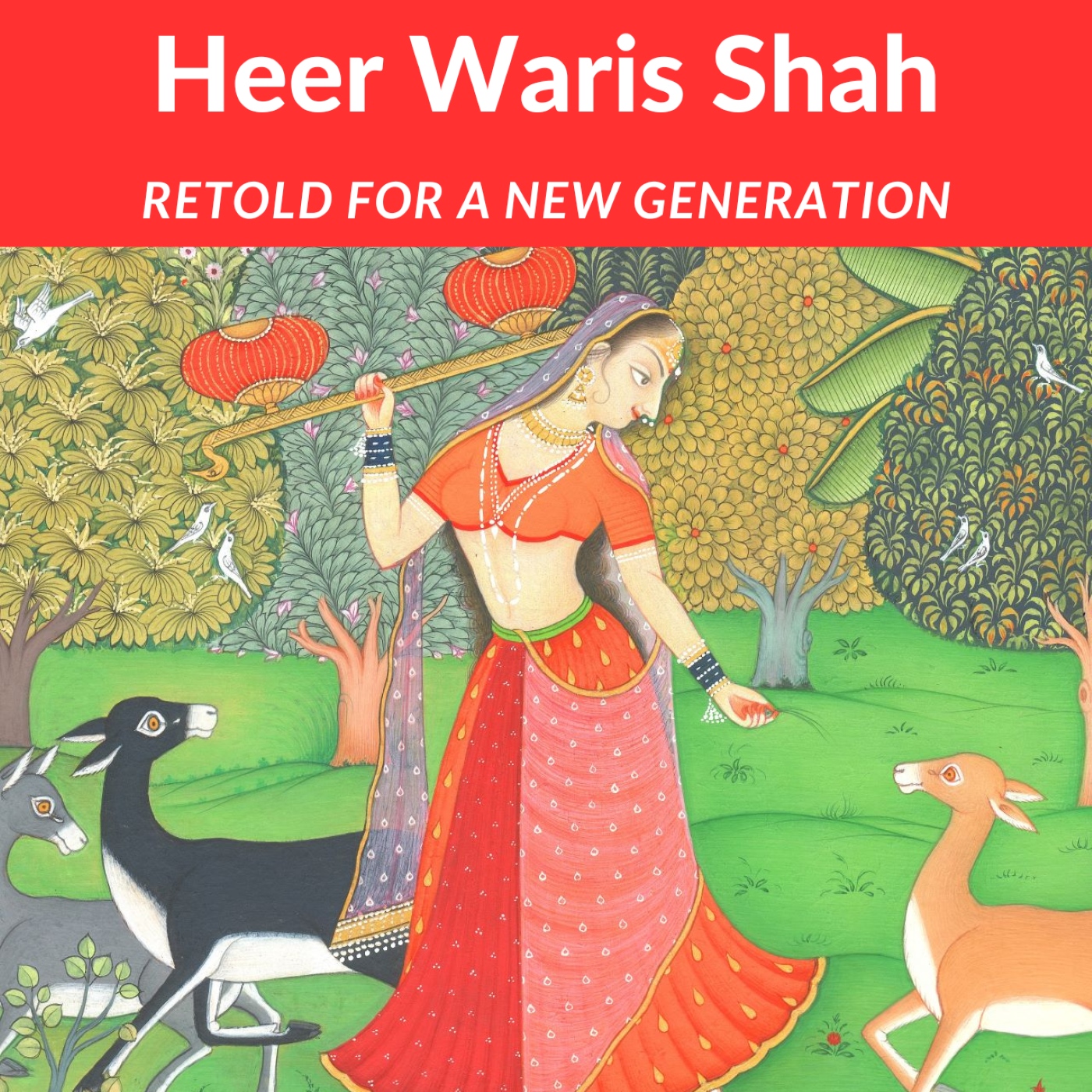
Waris Shah’s Heer, a Sufi masterpiece, which tells the tragic tale of Heer and Ranjha; each verse is presented with an English translation, making this epic accessible to a new generation.
Episodes
Aug 10, 2024
Aug 10, 2024
14 min
The significance of Heer Waris Shah, perhaps the most loved Qissa or epic fable of Punjab.
Aug 11, 2024
Aug 11, 2024
2 min
The first verse is an invocation in which the poet pays homage to the Almighty.
Each episode begins with the recitation of the original verse in Punjabi, s followed by an English translation, or more accurately a metrical parallel, intended for a non Punjabi speaking audience.
Aug 11, 2024
Aug 11, 2024
Aug 11, 2024
1 min
The poet pays homage to Abu Bakar, Umer, Usman and Ali, the four dear friends of The Prophet, who were also the first four Caliphs of Islam
Aug 11, 2024
Aug 11, 2024
1 min
This verse pays homage to Syed Abdul Qadir Jilaani, an important Sufi figure and the founder of the Qadri silsila or order of Sufism.
Aug 11, 2024
Aug 11, 2024
1 min
This verse pays homage to Sheikh Baba Farid Shakarganj of Pak Pattan of the Chisti order or silsila of Sufism. Sheikh Farid, a towering figure in Punjab is widely regarded as the first poet of the Punjabi language. His writings also appear in the Sri Guru Granth Sahib, the Sikh scripture.
Aug 11, 2024
Aug 11, 2024
1 min
The poet talks about being motivated to write a retelling of the Qissa of Heer and Ranjha by his friends.
Aug 11, 2024
Aug 11, 2024
Aug 11, 2024
2 min
The actual narrative begins with this verse. Waris Shah paints an idyllic picture of life in the village of Takht Hazara, where the Ranjha clan is from. He talks about the gallant, handsome youths who live in splendor. Veritably, heaven on earth, says the poet!
Aug 11, 2024
Aug 11, 2024
2 min
In this verse, we learn about Ranjha's father Mauju, a respected patriarch and a man of property, who is a leader in his community. Blessed with eight sons and two daughters, he dotes on Dhido, his youngest son, who is the male protagonist of Waris Shah's tale.
'Dhido' and 'Ranjha' are used interchangeably in the poem to refer to the male protagonist, whose full name is Dhido Ranjha. Ranjha is actually the name of the clan.